
The proposed surveillance actions are strategically designed to generate relevant and essential data for the identification of appropriate early.
Ruminants

A serious zoonotic viral disease primarily transmitted by vectors such as mosquitoes. It mainly affects ruminants but can also be transmitted to humans either through direct contact with infected animals, or via bites from vector mosquitoes. This disease poses a significant threat to both animals and
humans, leading to serious economic and social impacts in affected regions.
Look at the thematic factsheet to learn more: DOWNLOAD
Look at the thematic factsheet to learn more: Download
humans, leading to serious economic and social impacts in affected regions.
Look at the thematic factsheet to learn more: DOWNLOAD
Migratory birds

A viral zoonosis transmitted by mosquitoes, caused by the West Nile virus (WNV), a member of the Flaviviridae family. This RNA virus, part of the Japanese encephalitis serogroup, has a marked tropism for the nervous system and can infect both humans and various animal species.
Look at the thematic factsheet to learn more: DOWNLOAD
Avian influenza is a highly contagious viral disease that affects both domestic and wild birds. It is caused by influenza A viruses of the family Orthomyxoviridae. These viruses are classified into subtypes based on two surface proteins: hemagglutinin (H) and neuraminidase (N).
Look at the thematic factsheet to learn more: DOWNLOAD
Pigs
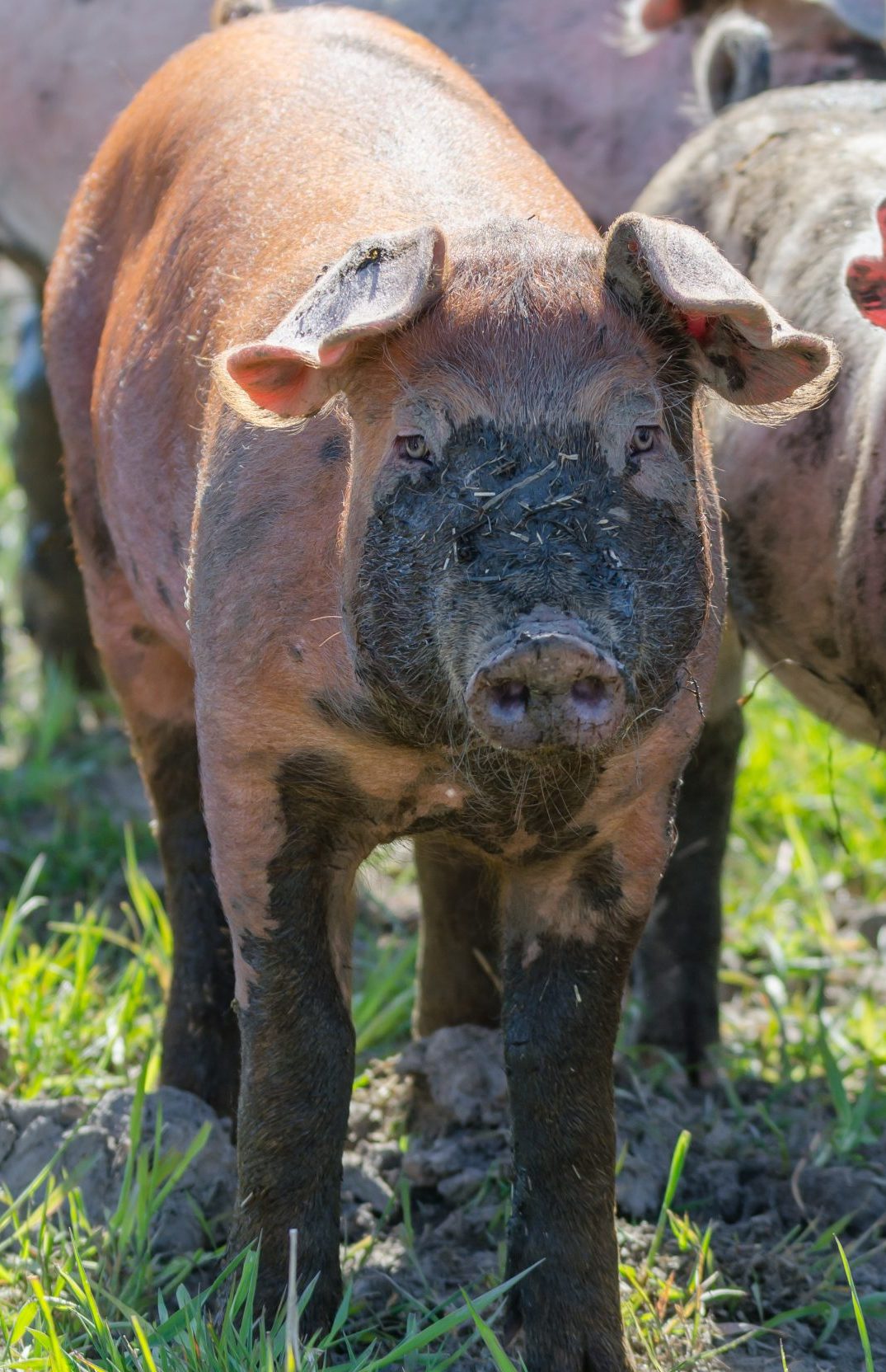
A viral zoonotic infectious disease that causes inflammation of the liver. It is an RNA virus belonging to the Hepeviridae family. Various animal species can serve as reservoirs and potential sources of infection for humans. Generally self-limiting in most immunocompetent patients, it can evolve into severe forms in vulnerable entities, such as pregnant women and individuals with pre-existing liver impairment.
Look at the thematic factsheet to learn more: DOWNLOAD
Swine influenza is an acute respiratory infection caused by influenza A viruses. These pathogens can infect
humans as well as several animal species, including pigs and birds.
Look at the thematic factsheet to learn more: DOWNLOAD
Other species

A zoonotic parasitic disease caused by the larval stage of a parasite belonging to the genus Echinococcus, family Taeniidae (tapeworms), class Cestoda.
Look at the thematic factsheet to learn more: DOWNLOAD
Lyme disease (also known as Lyme borreliosis) is an infectious disease caused by spirochaete bacteria of the genus Borrelia spp., transmitted through the bite of infected ticks. Within the Borrelia genus, 20 different species can cause Lyme borreliosis (LB), with Borrelia burgdorferi sensu stricto being the species most frequently responsible for the typical clinical manifestations of Lyme disease in both humans and animals. Lyme disease is a zoonosis that infects a wide range of hosts, including domestic and wild mammals and, to a lesser extent, birds and reptiles.
Look at the thematic factsheet to learn more: DOWNLOAD
Tick-Borne Encephalitis (TBE) is an acute viral disease of the central nervous system, caused by the TBE Virus (TBEV), an arbovirus belonging to the genus Flavivirus. TBEV can cause meningitis, encephalitis, and meningoencephalomyelitis in humans and, more rarely, in domestic animals, with potentially severe outcomes and permanent neurological complications.
Look at the thematic factsheet to learn more: DOWNLOAD